


Human Capital
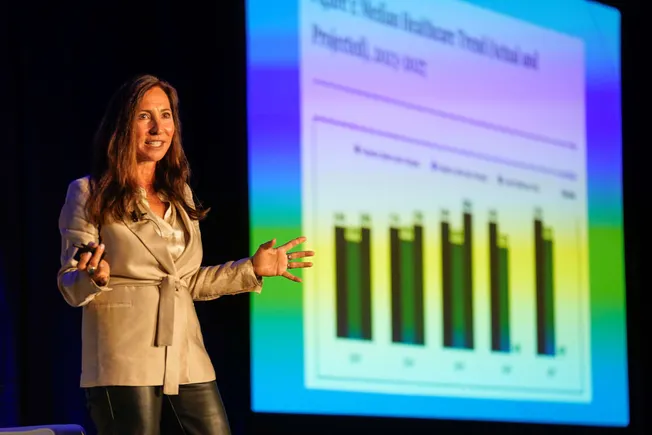
At the CFO Leadership Council's fall conference in Colorado, Marybeth Gray, senior VP of health and welfare benefits consulting with Marsh McLennan Agency, urged finance leaders to start planning for 2028 health benefits by January 2027. She emphasized that healthcare costs have risen up to 76% over the last decade, making it a finance issue. Gray offered three tips: plan early and don't fear changing carriers, manage high-cost claimants better by engaging employees with chronic conditions, and take advantage of medical advances like genomic and pharmacogenomic testing.

A survey of chief financial officers shows that remote work and office work each have their advantages. About half of the respondents believe they are most productive at home, but several CFOs emphasize that the nature of the work determines the best workplace.

A survey by consulting firm NFP of 273 executive benefits decision-makers shows that 80% of companies plan to keep executive benefits unchanged next year. Although mentions of economic factors have increased by half, only 18% view them as the primary factor, with talent retention and succession planning still at the core.

According to the latest Korn Ferry survey, despite a volatile economic environment, most U.S. companies still plan to increase base salaries for the majority of their employees in 2027. The overall average base salary budget increase is 3.3%, with a median of 3%. The survey also covers topics such as incentive bonuses, the impact of artificial intelligence, and talent development.

In the first quarter of 2026, CFO appointments at S&P 500 companies hit a seven-year high for the period, with 73% of the 33 new CFOs being first-time appointees. Meanwhile, the average tenure of outgoing CFOs fell to 5.8 years, with the healthcare sector seeing the highest CFO turnover rate.

Aon released a forecast stating that U.S. employer medical costs will increase by 9.5% year-over-year in 2027, averaging approximately $19,000 per person. Despite employers' frequent cost-containment measures, costs continue to trend upward. Specialty drugs, GLP-1 therapies, rising chronic disease prevalence, and increased healthcare service utilization are the primary drivers, with CFOs increasingly participating in health benefits decisions.

A Careerminds survey of 600 HR leaders found that 82% believe AI can replace some training and coaching, and 53.7% accept slower skill development in exchange for AI investment. Meanwhile, nearly half of employees pay for their own learning, spending an average of $788. Gartner predicts global AI spending will reach $2.59 trillion by 2026, while training budgets have been cut by an average of approximately $126,000.

Aidana Zhakupbekova of Rydoo officially assumed the role of Chief Operating and Financial Officer (COFO) in January 2026. In this exclusive interview, she shares the challenges of managing combined finance and operations, its impact on M&A integration, and why more growth-oriented companies will adopt the COFO model.