Latest news
View all
The 2026 Treasury Dragons Payment Fraud Index, produced with nsKnox, found that 76% of organizations experienced at least one payment fraud incident in the past 12 months, up from 73% last year, and 44% were hit more than once. Two-thirds expect the risk to rise further. More than half (53%) have faced a confirmed or suspected deepfake-related fraud attempt, yet only 44% have formal policies covering AI-related fraud. Other findings show confidence outpaces controls: 79% rate their confidence in supplier banking information as high or very high, but only 18% continuously revalidate supplier bank details; 41% receive sensitive supplier or payment data by email; 75% rate their fraud awareness as high or very high, but only 39% say ownership of payment fraud is clearly defined; 48% do not use a dedicated payment fraud prevention system, and 71% are prioritizing investment in payment validation. The report concludes that verification remains the weak link and organizations need to validate bank accounts independently, continuously, and globally.

Intuit announced an agreement to acquire revenue management platform Sequence, betting on accelerating demand for tools that handle complex usage-based and hybrid pricing models. The deal supports Intuit's mid-market strategy, including Intuit Enterprise Suite and QuickBooks Online Advanced, by adding AI-powered revenue management capabilities. Terms were not disclosed. Sequence's team, led by co-founder and CEO Riya Grover, will join Intuit's Mid-Market product organization. Intuit plans to develop an integrated offering and continue supporting Sequence customers after the acquisition closes.
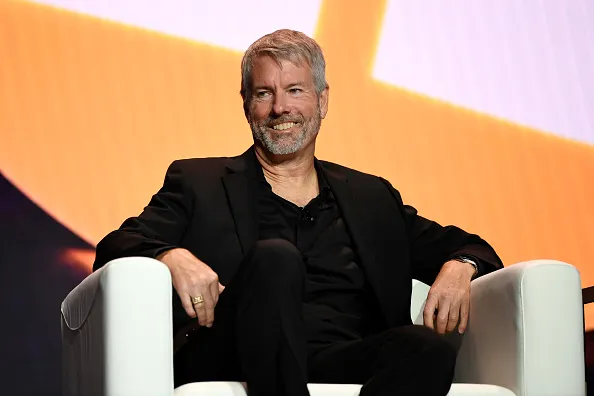
Strategy announced CFO Andrew Kang's resignation for unspecified personal reasons. CEO Phong Le will serve as CFO from Nov. 6 to Dec. 31, after which Reza Virasteh, currently VP of operations, will become CFO and co-principal financial officer with Le. Shelley Khanna, global controller, will become chief accounting officer and principal accounting officer on Nov. 6. Kang will serve as an advisor through the end of the year. The leadership change coincides with Q3 earnings, where Strategy reported net income of $19.53 billion versus $2.79 billion a year earlier, while total revenues dipped to $125.4 million from $128.7 million. Executive Chairman Michael Saylor expressed optimism about bitcoin's future despite volatility.
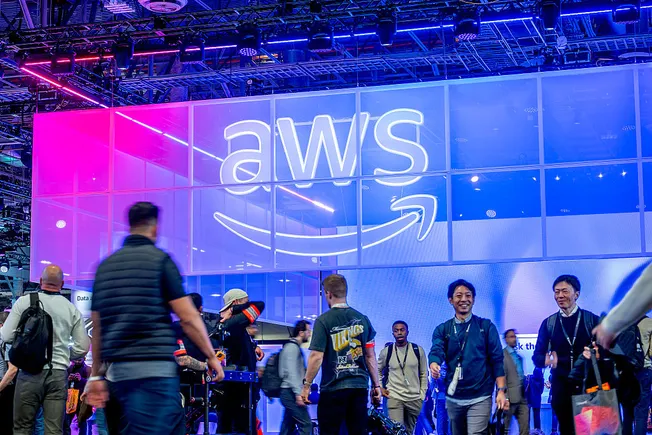
Amazon CEO Andy Jassy said Thursday that the high cost of using artificial intelligence models, particularly inference computing, could limit broader enterprise adoption. Speaking during Amazon's third-quarter earnings call, Jassy identified inference costs and a shortage of employees with AI expertise as obstacles. He noted that inference already accounts for well over half of AWS' AI revenue and that lowering costs is a major focus, including through custom silicon like Trainium chips. Gartner forecasts inference will account for 55% of global AI-optimized infrastructure-as-a-service spending in 2026, reaching $23.3 billion. Amazon reported third-quarter net sales of $201.9 billion, up 12% year over year, with AWS revenue climbing 39.3% to $46 billion.

Volkswagen Group is targeting a comprehensive cost program totaling around €31 billion ($34 billion) as it faces rising macroeconomic challenges, executives said during the company's earnings call. CFO and COO Arno Antlitz emphasized the need for swift restructuring, citing contracting Chinese market, tariffs, geopolitical tensions, and unprecedented competition. The automaker reported a 11% decline in global vehicle sales for the first nine months of 2026, with China deliveries down 30%. Operating loss for Q3 widened to $6.4 billion, and nine-month operating income fell 98%. Volkswagen plans to reduce overhead costs by about $12 billion and operational expenses for the remainder, while also cutting its model portfolio by 50% and reducing global workforce by approximately 50,000.

This week's CFO moves include Jennifer Hamann's retirement from Union Pacific in early 2027, Peter Griffith joining Mattel as CFO, and Samantha Stoddard leaving Jeld-Wen for Standex. Other appointments include Zach Kirkman at Mach Industries, Ted Towne at Pittsburgh Penguins, Paula Dempsey's departure from Torrid, Jeffrey Embt as interim CFO at Jeld-Wen, Amy Ard at Forgent, and Mark H. FitzPatrick at iCOUNTER.

At the CFO Leadership Council's fall conference in Colorado, Marybeth Gray, senior VP of health and welfare benefits consulting with Marsh McLennan Agency, urged finance leaders to start planning for 2028 health benefits by January 2027. She emphasized that healthcare costs have risen up to 76% over the last decade, making it a finance issue. Gray offered three tips: plan early and don't fear changing carriers, manage high-cost claimants better by engaging employees with chronic conditions, and take advantage of medical advances like genomic and pharmacogenomic testing.

The Securities and Exchange Commission charged Meyer Global Management and CEO Owen E.H. Meyer with defrauding investors in pre-IPO securities of SpaceX, OpenAI, and other companies. From December 2021, the firm allegedly misused client assets and lied to investors, including channeling at least $1.27 million to Meyer's personal expenses. The SEC said MGM raised at least $18.5 million from nearly 100 investors between 2019 and 2024. The case highlights SEC efforts to ease IPO rules under Chair Paul Atkins, amid a surge in IPOs and capital raised in the first half of 2026.

Accounts payable benchmarks like Ardent Partners' $9.84 average invoice cost and 8.2-day processing time assume a manageable supplier base, but for ESBO Ltd., which pays over 10,000 small publishers, these metrics fail. The author shares four lessons: cost is per supplier, not per invoice; supplier enablement fails on the long tail; payment fragmentation costs more than fees; and fraud risk shifts to the vendor master. With EU e-invoicing mandates approaching, CFOs must assess how much spend sits in the long tail and prepare for slow, unglamorous work like deduplicating vendor masters and verifying tax IDs.

Large companies have invested heavily in AI, but now CFOs face pressure to justify the spending. A survey by NYSE and Oliver Wyman Forum reveals that while 75% of CFOs plan to increase AI spending, only 6% believe steering AI investments is their best way to create enterprise value. Most companies are still exploring or piloting AI, but about 14% are AI leaders deploying at scale. CFOs who master five disciplines—separating builder from scorekeeper, redesigning end-to-end processes, building compounding AI capabilities, ensuring company ownership of assets, and rearchitecting roles—will build sustainable competitive advantages. The article also highlights the need to rebuild apprenticeship mechanisms as junior roles diminish.
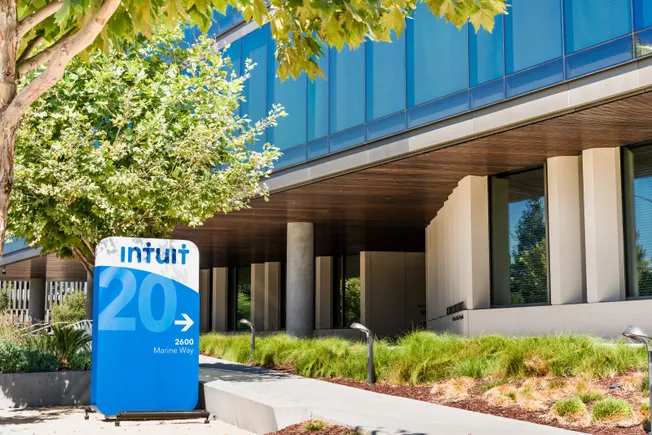
Intuit CFO Sandeep Aujla, speaking at the Goldman Sachs Communacopia and Technology Conference, admitted the company has lost market share in its consumer tax business in recent years. He outlined a plan to build a comprehensive, end-to-end consumer platform, a strategy that began with the $8.1 billion acquisition of Credit Karma in 2020 and advanced when Credit Karma was placed under the same leadership as TurboTax. Aujla said Intuit aims to rebuild the DIY tax funnel to retake share, focus on growing new-to-the-franchise customers, and consider free or lower-cost tax services to reach price-sensitive consumers. He also highlighted cross-selling opportunities through Credit Karma's checking accounts and QuickBooks Free and QuickBooks Lite. Aujla noted stable macroeconomic conditions for small and midsize businesses, with cash reserves and hours worked trending up. Intuit's full-year revenue grew 14% to $21.4 billion for the fiscal year ended July 31, while the company cut 17% of its workforce, laying off about 3,000 people, according to Reuters.