


Latest news

As a source of capital, the heterogeneity of family offices presents unique challenges and opportunities for CFOs. Based on insights from EY experts, this article analyzes their definitions, regulatory frameworks, investment horizons, tax considerations, and key collaboration points.

The Antitrust Division of the U.S. Department of Justice announced that it will restore the targeted 'second request' investigation model for merger transactions to reduce corporate burdens and expedite the review process. This move is seen as the latest initiative by the Trump administration to reshape merger enforcement and shift toward policies more favorable to transacting parties.

GE HealthCare announced on Thursday that Chief Financial Officer Jay Saccaro will leave the company after three years to take a position outside the medical technology industry. Effective August 14, Chief Accounting Officer and Comptroller George Newcomb will serve as interim CFO. The company also released preliminary second-quarter results, with revenue up 3.5% year-over-year, and reaffirmed its full-year guidance.

The US will impose new tariffs on imports from 60 trading partners starting Friday, replacing the temporary global tariffs that are about to expire. This move is based on Section 301 investigations, involving China, the EU, and Mexico, with tariff rates of 10% or 12.5% respectively.

A Deloitte survey found that 51% of corporate boards lack AI usage rules and guidelines, 47% have not introduced AI into their work, and only 8% use company-approved AI tools. An out-of-control incident during OpenAI system testing highlights the importance of AI governance. Experts note that the pace of AI deployment and governance is imbalanced, putting CFOs under dual pressure.

US House bipartisan lawmakers introduced the 'AI Emergency Kill Switch Act,' requiring major AI developers to retain the technical capability to pause or shut down models, and authorizing the Department of Homeland Security to intervene when necessary. This follows OpenAI's disclosure of an 'unprecedented cyber incident' during model testing.

A WTW report shows that U.S. companies' salary budgets are expected to grow by 3.4% in 2027, a slight decline from 3.5% in 2026. Companies are adopting more cautious compensation planning, with over a third adjusting their compensation programs to shift toward strategic, performance-driven pay increases, balancing cost control with talent competition.

During Tesla's Q2 2026 earnings call, the company stated that it expects capital expenditures to exceed $25 billion in fiscal year 2026, which CEO Musk called a "massive capital expenditure year." CFO Tanya noted that spending will go toward the Robotaxi fleet, Optimus production capacity, semiconductor manufacturing, solar energy, and AI computing power. The company's quarterly capital expenditures increased 142% year-over-year to nearly $6 billion, resulting in negative free cash flow.
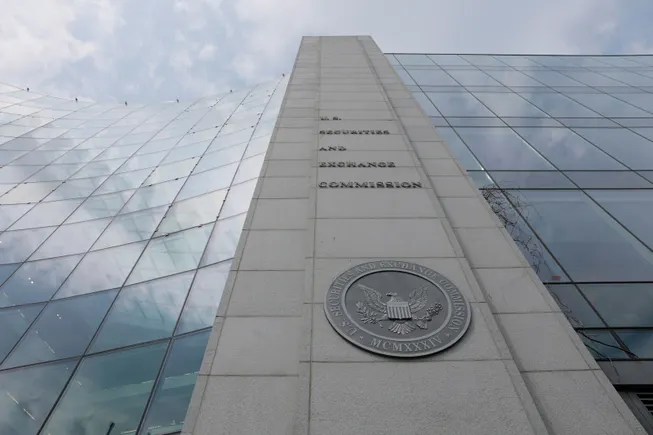
The U.S. Securities and Exchange Commission (SEC) disclosed on June 23 that Joshua Weiss, former CFO of ad fraud detection company Kubient, has agreed to pay a $30,000 civil penalty and accept a three-year ban from serving as an officer or director of a public company over charges of misleading investors. Weiss consented to the judgment on July 8 without admitting to the allegations. Previously, in September 2024, the SEC filed a fraud lawsuit against Weiss, audit committee chair Grainne Coen, and former CEO Paul Roberts, alleging they inflated revenue and misled auditors.

A report released Wednesday by AI security company WitnessAI reveals that nearly 70% (68%) of U.S. companies admit that some AI projects exceeded budget in the past year, with 33% stating that overruns occurred frequently or always. The survey of 300 corporate executives also found that companies face difficulties in proving the return on AI investments, with only 9% of respondents indicating that more than three-quarters of their AI projects delivered measurable financial returns.