


Latest news

The R&D tax credit is an important policy tool for encouraging innovation in the United States, but many CFOs fail to fully utilize it due to information asymmetry, risk perception, and organizational positioning issues. Former IRS R&D tax engineer Richard Bernstein, drawing on his experience participating in the formulation of ASC 730 guidelines, reveals structural differences between large enterprises and SMEs, the increasing burden of IRS compliance, and inherent biases within organizations against tax credits. Meanwhile, Jad Meouchy, founder of BadVR, provides a positive case, arguing that the credit signals innovation value. The article calls on CFOs to examine their own cognitive biases and incorporate R&D credits into cash flow management tools.
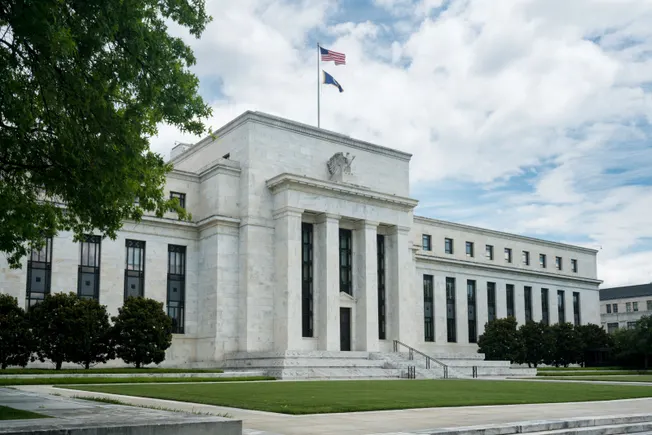
The Beige Book released by the Federal Reserve on Wednesday shows that the U.S. economy has expanded moderately since early July, with consumers limiting spending due to inflation concerns, and manufacturing boosted by military and AI product orders. Financial conditions have improved slightly, but auto sales are weak, and surging energy prices add to uncertainty.

Tim Stawicki, senior managing director at global insurance brokerage and consulting firm WTW, says that in response to an expected 11.1% increase in employee healthcare benefit costs in 2027, corporate finance departments are engaging in cost control to an unprecedented degree. He advises CFOs to work with HR departments to manage spending through optimizing vendors and adjusting plan design, while staying compliant and balancing employee needs with talent competition.

According to court documents from August 31, Flex, Split Pay, and financial executive Anderson, who had interviewed for the Flex CFO position, are negotiating in good faith to reach a potential settlement in the trade secret misappropriation lawsuit. Flex filed the lawsuit on August 3, alleging that Anderson obtained and disclosed its "core financial and strategic secrets" to competitor Split Pay during the interview process. The court has approved a third-party forensic accounting review of Anderson's personal devices and requires Split to provide sworn statements. Both parties must submit a joint status update by September 30.

A survey by consulting firm NFP of 273 executive benefits decision-makers shows that 80% of companies plan to keep executive benefits unchanged next year. Although mentions of economic factors have increased by half, only 18% view them as the primary factor, with talent retention and succession planning still at the core.
After cutting nearly 28,000 staff, the IRS has limited enforcement resources. According to analysis by former IRS executive Kathy Enstrom at the Illinois CPA Society's 2026 Summit, the agency will focus on cracking down on nonprofit fraud, employment tax evasion, cross-border tax abuses (such as Puerto Rico's Act 60), and cryptocurrency-related crimes.

AI is reshaping BeSmartee CFO Mina Samaan's budget season in multiple ways, including one aspect that contradicts technology's promise of saving time. To assess the impact and costs of AI tools, he moved budget planning to start in May. For the first time, his finance team used Anthropic's Claude AI plugin to assist in Excel budget preparation, but he remains cautious, requiring the team to triple-check AI outputs as they would a junior analyst.
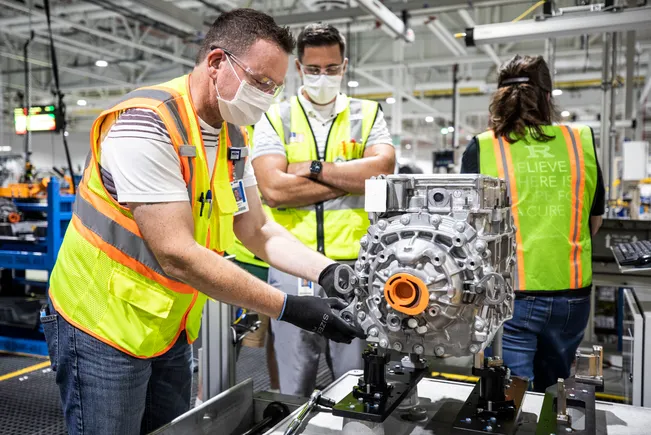
The latest data from the U.S. Department of Labor shows that job openings rose slightly to 7.3 million in July, the hiring rate declined, but the layoff rate remained stable, with the overall labor market showing a steady trend. Federal Reserve officials stated that the economy is growing steadily, and inflation remains the focus of policy attention.

Cambium, a sustainable wood industry company in San Francisco, appointed Peter Coats as Chief Financial Officer on August 25, marking its highest-level financial appointment to date and its first external C-suite executive. Coats plans to introduce AI and automation into financial processes and build a "North Star"-style decision support system.

Ernst & Young announced on Monday that it will invest $100 million to reward U.S. employees who cultivate "future-ready skills," drive company culture, foster innovation, and deliver exceptional client service. This initiative is part of the firm's multi-billion-dollar talent investment plan, aimed at adapting to a new era driven by technology and powered by people.