


Latest news

Since Trump returned to the White House in January 2025, U.S. trade policy has evolved rapidly under the impetus of tariffs. This article compiles charts of tariffs in effect, trade investigations, negotiated agreements, and potential tariff threats, with particular attention to the uncertainty in policy direction after the Supreme Court struck down tariffs based on the International Emergency Economic Powers Act.

US Labor Department data shows that for the week ending March 22, continuing jobless claims rose to 1.9 million, the highest since November 2021. Economists point out that uncertainty over tariff policy is prompting companies to significantly slow hiring, and warn that the unemployment rate could rise further.
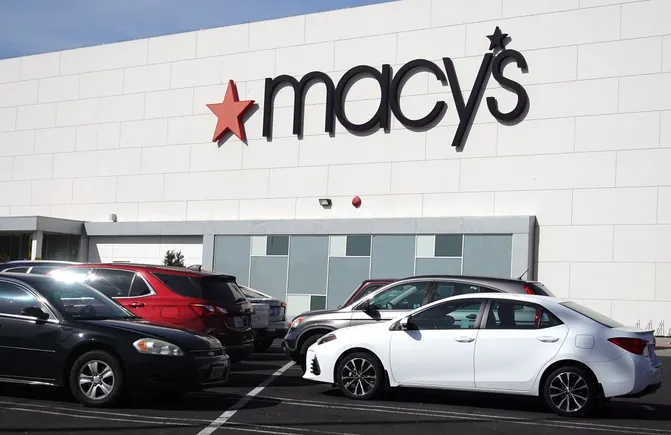
Macy's disclosed in its latest securities filing that due to accounting errors in 2023 that inflated EBITDA, the company decided to recover over $600,000 in executive bonuses and simultaneously announced leadership changes including a CFO transition.

The Georgia Senate passed new legislation Wednesday evening offering an alternative route to becoming a CPA that does not require 150 hours of college credit; Indiana passed a similar bill Thursday afternoon. According to the Minnesota Society of CPAs, at least seven states have relaxed CPA licensure requirements so far this year. The Georgia bill still awaits the governor's signature and is expected to take effect on January 1, 2026.

On April 2, U.S. President Trump announced that the United States will impose a 10% baseline tariff on all imported goods starting April 5, and will implement higher rates on trading partners such as China, Japan, and the European Union from April 9. The new tariffs are implemented under a White House executive order, with certain goods and items compliant with the USMCA agreement eligible for exemptions.

FASB Issues Educational Paper Clarifying Accounting Guidance for Retainage in Construction Contracts
FASB on Tuesday issued a four-page educational paper clarifying the presentation and disclosure requirements for retainage (also known as holdback or retention) in construction contracts under Generally Accepted Accounting Principles (GAAP). The paper does not modify or change GAAP standards but supplements the application of Topic 606 to typical construction contracts and addresses questions raised by the Private Company Council and stakeholders.

The Institute for Supply Management (ISM) March manufacturing index fell to 49, below the boom-bust line of 50, with both output and employment contracting. Tariffs raised costs, leading to backlogs of new orders, slower supplier deliveries, and inventory growth. S&P Global's chief business economist noted that tariffs were the primary reason for the rise in factory input costs in March, the largest increase since mid-2022. Richmond Federal Reserve President Barkin warned that tariffs could simultaneously push up unemployment and inflation.

Just Salad's former CFO, Stefan Boyd, has filed a lawsuit in the Manhattan Supreme Court in New York, seeking $1.2 million. The complaint states that after he left in 2023, the company completed a $200 million funding round in February 2024, reaching a $1 billion valuation, which should have triggered the payment under the separation agreement, but the company refused, citing technical clauses. Boyd is also seeking an additional $5 million in damages.

For CFOs, pay transparency is no longer just a compliance matter but a strategic choice affecting talent competition and financial planning. Based on recruitment practices, the article examines the value of transparent compensation in building trust, attracting top talent, reinforcing pay equity, and optimizing budgets, while pointing out risks such as potential internal conflicts and reduced room for negotiation, recommending a structured compensation framework and clear communication to achieve balance.

Analysis by venture capital firm Norwest Venture Partners shows that as finance teams face growing pressure and outdated tools, the number of software products targeting the CFO office has surged in recent years, with tech vendors viewing this area as an attractive market. The rapid rise of AI has accelerated the evolution of the CFO software stack, with the global market size already exceeding 50 billion euros and expected to surpass 100 billion euros by 2028.