


Latest news

Trump announced on Wednesday a 90-day pause on some tariffs on goods from most U.S. trading partners and raised tariffs on imports from China to 125%, accusing Beijing of "extortion" against the U.S. More than 75 countries have contacted federal officials seeking negotiations without taking retaliatory measures. This move partially reversed several days of declines in U.S. stocks. However, JPMorgan CEO Dimon predicted tariffs would trigger a recession, and former Treasury Secretary Summers warned of damaged market confidence. The 10-year Treasury yield rose to 4.35%, and The Conference Board projects the U.S. economy will contract by 1.2% if tariffs persist.

Tesla Chief Financial Officer Vaibhav Taneja sold $957,000 worth of company stock after first-quarter 2025 delivery figures fell short of expectations, marking his third consecutive month of stock sales.

The trade war has persisted for nearly 70 days, with the Trump administration's tariff policies proving erratic. CFOs face pricing pressures, supply chain volatility, and employee attrition risks. Despite some companies preparing in advance, the prevailing sentiment is "tariff fatigue" and a desire for policy clarity. This article interviews financial executives from the CFO Leadership Council, Tredence, Orbia, and Baked by Melissa, revealing their response strategies and challenges.

The Iowa Senate passed a new bill on Tuesday, adding a new licensure pathway for Certified Public Accountant (CPA) candidates: holding a bachelor's degree with accounting coursework, having two years of accounting work experience, and passing the CPA exam to obtain a license. The bill still requires certification procedures before signing and retains the original two licensure pathways. This move aims to lower barriers to entering the accounting profession and address talent shortages.

Strategy (formerly MicroStrategy), a software and bitcoin treasury company, reported in its latest securities filing an unrealized loss of $5.91 billion on digital assets for the quarter ended March 31, which is expected to produce a quarterly net loss, but a $1.69 billion income tax benefit can partially offset it. The company has adopted the new accounting standard ASU 2023-08 since January 1, 2025, measuring bitcoin and other crypto assets at fair value, and recognized a cumulative net increase of $12.745 billion in opening retained earnings.

CVS Health appointed former UPS CFO Brian Newman as Chief Financial Officer on May 12, with a base annual salary of $1 million, a 150% cash bonus opportunity, and $7 million in annual equity awards. This move is the latest leadership adjustment amid financial challenges and pressure from activist investors, and the company also appointed a new Chief Medical Officer.
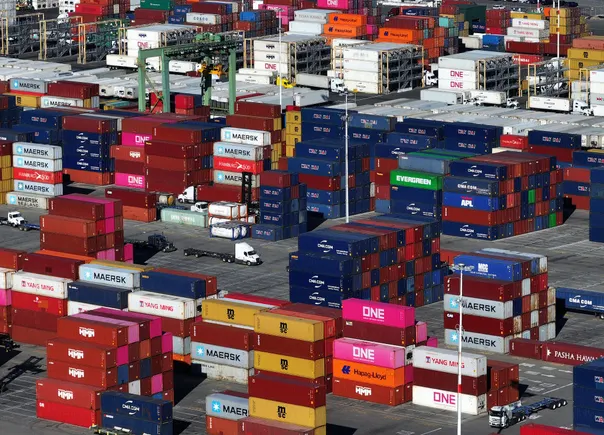
Facing tariff uncertainty, companies can quantify the impact through financial model stress testing. This article introduces the concept of stress testing, methods for constructing three scenarios (baseline, stress without mitigation measures, stress with mitigation measures), and various strategies to address tariff challenges, emphasizing that data and analysis are better than intuition.

BlackRock CEO Larry Fink said at a New York Economic Club event on Monday that most CEOs he has engaged with believe the U.S. economy may currently be in a recession. Fink also warned that consumption will further freeze amid tariff shocks and stock market corrections. On the same day, several financial leaders, including Pershing Square CEO Bill Ackman and JPMorgan Chase CEO Jamie Dimon, also spoke out on the damaging effects of tariff policies on economic confidence.

Spirit Airlines announced the departure of CEO Ted Christie, who also stepped down from the board. The company's CFO, COO, and general counsel will lead through an office of the president. Additionally, Chief Commercial Officer Matt Klein is leaving, with Rana Ghosh succeeding him. These changes come weeks after Spirit emerged from Chapter 11 bankruptcy.

Federal Reserve Chair Jerome Powell said on April 4 that the comprehensive tariffs introduced by the Trump administration will raise inflation and slow growth, with economic effects potentially exceeding expectations. He reiterated that the Fed sees no need to act hastily and will wait for policy effects to become clearer before making adjustments. Employment data released the same day showed the labor market remains resilient, but Powell noted the data was collected before the tariff announcement.