


Deep Dive
来自我们记者的行业洞察

Breakthroughs in artificial intelligence have excited corporate executives, but the accompanying risks and skepticism cannot be ignored. For chief financial officers tasked with weighing benefits against risks, making rational decisions amid the noise poses a key challenge. Drawing on expert opinions and industry practices, this article proposes four practical suggestions: building a responsible AI framework, broadening the ROI evaluation perspective, acknowledging technological limitations, and starting with small-scale applications.
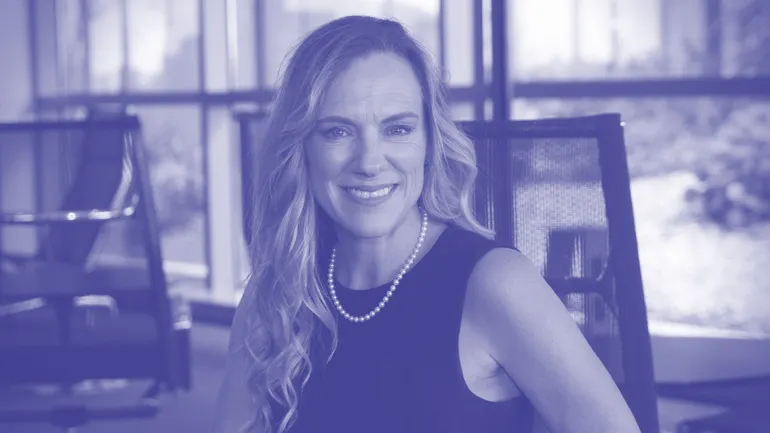
From Angela Pierce's solitary struggle in investment banking in the 1990s to today's record-high proportion of female CFOs, four female financial leaders—Angela Pierce, Kelly Steckelberg, Natalya Davick, and Mandy Fields—shared how they overcame self-doubt, broke down workplace barriers, and encouraged more women to boldly pursue senior positions.

After Silicon Valley Bank (SVB) collapsed on March 10, its auditor KPMG drew attention for not flagging going-concern risks in the audit opinion signed on February 24. More notably, KPMG had served as SVB's auditor since 1994, and this 29-year relationship has reignited debates about audit tenure limits. This article synthesizes expert opinions, analyzing the pros and cons of audit independence, tenure rotation, and the current regulatory landscape.

The International Sustainability Standards Board (ISSB) and the U.S. Securities and Exchange Commission (SEC) have recently signaled a softening on climate risk disclosure rules: the former plans to release global guidelines by June with an effective date of January 1, 2024, while the latter aims to issue final rules by May. Facing over 14,000 opposing comments, regulators are considering 'soft launch' measures such as phased implementation and relaxing Scope 3 emissions requirements to balance corporate compliance burdens with investor information needs.

As the economy may slip into recession, it seems logical for CFOs to cut office space budgets, but experts say achieving real estate cost savings may be more complex than in past downturns. Office space utilization is only about 50% of pre-pandemic levels, and hybrid work models have become the norm, requiring CFOs to weigh multiple factors such as layoffs, leases, market divergence, and capital costs. This article proposes four key principles: rent savings are not the only source, location remains important, sale-leaseback demand fluctuates, and per-capita space ratios no longer apply.

In early 2023, CFOs tightened technology spending to address economic uncertainty. Based on insights from multiple finance executives and advisors, this article proposes five strategies to enhance ROI on technology investments: technology inventory, prioritization, contract renegotiation, frontline insights, and cloud cost management.

In 2023, CFOs need to be vigilant about four major trends: persistent inflation, a tight labor market, new SEC disclosure rules, and strengthened accounting regulation. Based on expert insights, this article examines the potential impact of these trends on businesses and provides practical recommendations.

As the economy slows, CFO responsibilities have expanded from traditional financial accounting into multiple areas such as human resources, cybersecurity, and customer service, intensifying workloads. Surveys show that 81% of CFOs believe their daily work intensity is higher than that of other executives. Experts point out that scope creep stems from the unique nature of the CFO role and brings relationship challenges with the CEO and other executives. Based on insights from multiple experts and the latest data, this article analyzes CFO stressors and coping strategies.

With inflation persisting for nearly 20 months and supply chain bottlenecks not fully resolved, CFOs face multiple pressures on prices, wages, and capital allocation. This article outlines the approaches of four financial executives and experts: maintaining conservative cash positions, deepening procurement collaboration, staying agile, and avoiding panic, to steady themselves amid Fed rate hikes and recession risks.

As recession looms, CFOs face immense pressure over layoff decisions. This article provides an in-depth analysis of the dilemma CFOs encounter in balancing employee welfare and corporate financial health, examining layoffs as a last resort, alternative options, and the importance of collaboration among executives, citing insights from multiple CFOs and advisors.