Deep Dive
来自我们记者的行业洞察
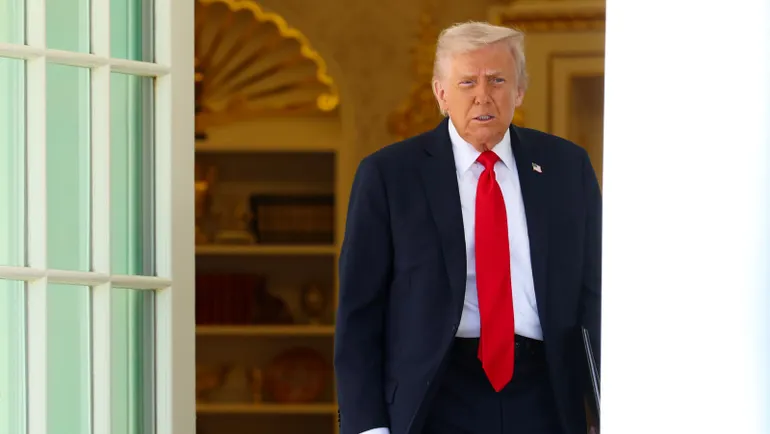
Entering 2026, CFOs will continue to face dramatic policy shifts from the Trump administration. This article outlines five key trends: strategic windows amid policy shocks, the ongoing impact of high tariffs, shifts in the Federal Reserve's stance, changes in SEC enforcement style, and political pressure on FASB regarding cryptocurrency accounting.


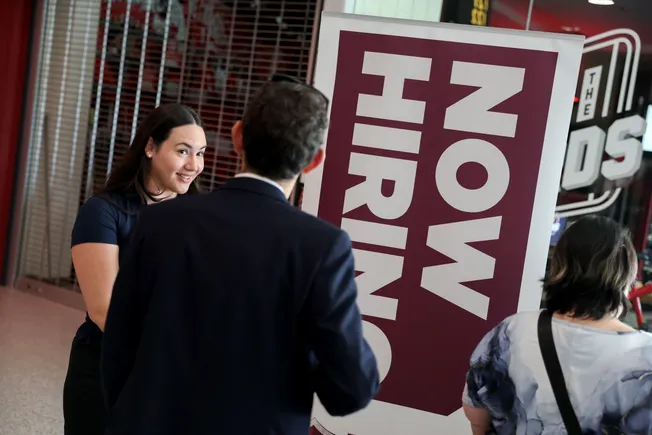
In recent years, the accounting talent shortage that has plagued the U.S. accounting industry and finance teams is showing signs of easing, driven by factors such as the proliferation of automation and generative AI, and the growth of outsourcing. However, industry sentiment indicators show that practitioners' concerns about layoffs have risen significantly, and the hiring strategies of large accounting firms are also being adjusted. Meanwhile, the CPA license reform continues to advance, and the industry's supply-demand landscape is moving toward a new balance.

U.S. President Donald Trump signed the GENIUS Act, and the House passed the CLARITY Act and the Anti-CBDC Surveillance State Act, providing an initial regulatory framework for the stablecoin industry. However, finance executives still face uncertainty in accounting treatment, reserve reporting, and risk compliance. Experts point out that bodies such as the FASB have not yet issued specific standards for stablecoins, and companies need to evaluate cautiously.

From the pandemic in 2020 to the present, CFOs globally have continuously faced the test of a 'permanent crisis.' In 2025, the Trump administration's aggressive shifts on high tariffs, fiscal expansion, and geopolitics have made the frequency and interconnectedness of risks unprecedented. Experts such as Richard Chambers, Senior Advisor at AuditBoard, Michael Perica, CFO of Rimini Street, and Pratap Daruka, CFO of Tredence, propose seven response strategies to help financial leaders find growth and resilience amid uncertainty.

Marriott International plans to acquire the CitizenM brand for $355 million, with the transaction expected to close this year. This move has sparked discussions in the industry about lifestyle hotel integration, brand differentiation, and appeal to younger demographics. Marriott CFO Leeny Oberg and several experts shared their perspectives in interviews.
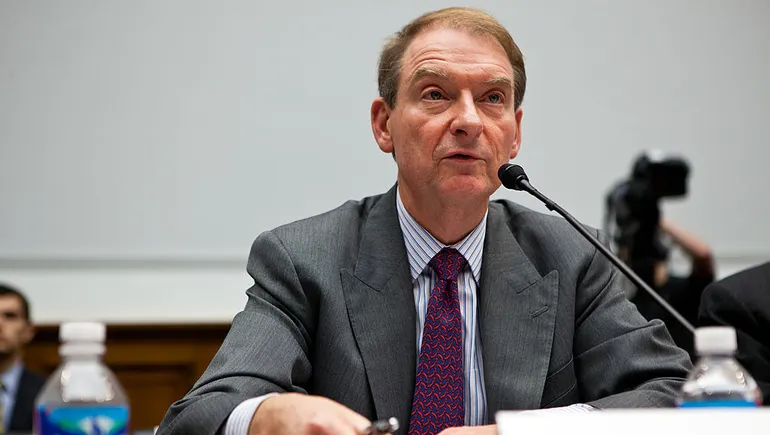
The SEC chairmanship is about to change, with Paul Atkins expected to succeed Gary Gensler, bringing a more moderate approach to enforcement and rulemaking. Based on analyses from securities lawyers and former SEC officials, this article explores how CFO regulatory burdens may shift, including the shelving of climate disclosure rules, a pivot in cryptocurrency regulation, and prospects for PCAOB reform.

In 2025, CFOs will face an environment full of uncertainty: the Trump administration's tariff policies may push up inflation, the Fed's pace of rate cuts may slow, financial regulation may loosen, while pressure on AI investment returns and a shortage of accounting talent persist. Based on interviews with economists, lawyers, and executive headhunters, this article summarizes six major trends to provide decision-making references for financial leaders.