


Deep Dive
来自我们记者的行业洞察

In 2024, CFOs will encounter five major trends: cooling inflation, a recovering M&A market, generative AI moving from concept to implementation, the effective date of new SEC cybersecurity rules, and the introduction of climate risk disclosure regulations. The article cites perspectives from institutions and experts such as Moody's Analytics, Goldman Sachs, WTW, and Aible, highlighting the possibility of a soft economic landing, valuation negotiations in M&A, pressure on AI investment returns, and the urgency of compliance, while also reminding of geopolitical and commercial real estate risks.
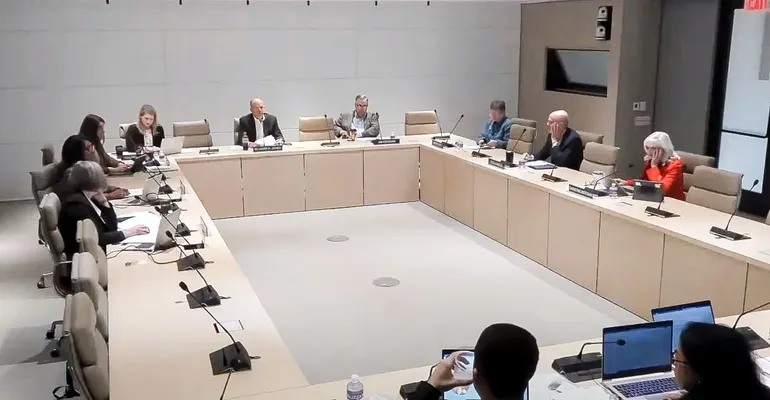
The Financial Accounting Standards Board (FASB), on its 50th anniversary, faces pressure to modernize due to the FTX collapse and investor criticism. Over the past year, FASB has accelerated rule-making and issued several new standards, but critics still argue progress is insufficient. This article analyzes the effectiveness and challenges of its reforms.

From a Lehman Brothers analyst to the new CFO of DMK Pharmaceuticals, Seth Cohen's career has witnessed the internet's evolution from nonexistence to deep integration into business. Today, cybersecurity has become one of the core issues facing modern financial leaders. With SEC rules requiring public companies to disclose material cyber incidents within four days, CFOs must not only address increasingly complex threats but also guard against personal legal risks. This article, drawing on multiple CFOs, legal experts, and the latest data, explores how cyber pressure intensifies the expansion of CFO responsibilities and how companies seek balance in this dynamic.

Disasters such as tornadoes, floods, and hurricanes triggered by climate change are upending the cornerstone of CFO risk management. US commercial property insurance costs surged 15% last year, the largest increase in over three decades. Experts point out that CFOs need to control insurance costs during "tough times" by re-evaluating risk tolerance, strengthening cooperation with insurers, enhancing disaster prevention investment, exploring new insurance structures, and deepening data analysis.

Generation Z newcomers are driving the evolution of the CFO role. Experts say that future CFOs must go beyond traditional accounting backgrounds, possessing cross-disciplinary knowledge, data skills, and strategic leadership. The shortage of accounting talent is prompting companies to broaden recruitment channels, with an increasing number of professionals from non-financial backgrounds such as engineers. Meanwhile, the average age of CFOs is around 51, and younger candidates need to accumulate experience through job rotations and soft skill development. Data and technological capabilities have become core, and the CFO role has shifted from compliance to strategic partnership, a trend that has been evident for a decade.

EBITDA, as a non-GAAP metric, is widely used in the retail industry but lacks standardization and has been criticized by figures like Buffett. This article analyzes its role and controversies, and uses cases such as Warby Parker, On, and Allbirds to illustrate its differences from net income.

The demand for part-time CFOs (fractional CFOs) is growing, and financial leaders transitioning into this role need to grasp three key steps: clarify their own expertise and positioning, deeply understand the target company and develop a clear plan, and carefully review contract terms to protect their interests. Drawing on the experience of multiple practitioners, this article provides practical advice.


Against the backdrop of a financial talent shortage and economic uncertainty, corporate demand for interim CFOs has grown 103% year-over-year. This short-term executive hiring model not only helps companies navigate transitional periods but also offers new career opportunities for financial leaders. This article analyzes the appeal of interim CFOs, the advantages of skill matching, and their key role in succession planning.