


Treasury

In a letter to the Internal Revenue Service (IRS) on Friday, the American Institute of CPAs (AICPA) requested additional guidance and "safe harbor" protections for employers and employees regarding tip and overtime reporting to ensure eligibility for tax deductions temporarily allowed under the One Big Beautiful Bill Act. The letter, signed by AICPA Tax Executive Committee Chair Cheri Freeh, noted that despite the IRS issuing new regulations last month, uncertainties remain regarding implementation details.
Atlanta Fed economists stated that although the highest U.S. tariffs since the 1930s have not triggered a sudden surge in prices as expected, business surveys indicate the impact may be delayed but 'substantial,' with inflationary pressures potentially lasting into 2026.

The latest survey shows that CEO confidence in the economy deteriorated this quarter, with concerns that stubborn inflation could lead to an economic slowdown. 64% of CEOs expect a mild economic slowdown over the next 12 to 18 months, and 38% expect economic conditions to worsen over the next six months. Geopolitical instability and cyber risks remain major business risks.

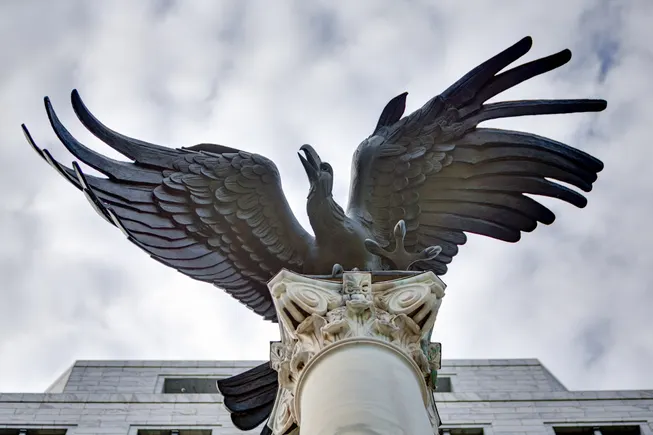
Fed Chair Powell said on Tuesday that the central bank faces growing risks of both inflation and unemployment rising simultaneously, complicating its dual mandate of stable prices and maximum employment. He warned that adjusting policy too quickly or too slowly could carry costs, and hinted that the balance sheet reduction may soon come to an end.

After an evaluation, Yooz CFO John Gronen decided not to offer instant pay (earned wage access) benefits to employees next year due to insufficient employee interest. He may revisit this option in 2027.

The latest University of Michigan survey shows the October consumer confidence index edged down to 55, a low since May, with high prices and worsening employment prospects weighing on consumers. The New York Fed survey also indicates continued weakening in labor market expectations and rising inflation expectations. Federal Reserve officials say labor market softening may intensify, but inflation risks remain, leaving no room for risk in the policy path.

EY's latest report indicates that despite ongoing global geopolitical risks, the US IPO market saw significant recovery in Q3 2025, with fundraising reaching $15.9 billion, close to the peak since Q4 2021. Investors view geopolitical risks as the 'new normal,' and with AI technology-driven momentum and expectations of monetary easing, IPO activity is expected to continue into early 2026.

A KPMG survey found that since the Trump administration announced large-scale import tariffs on April 2, 66% of U.S. companies have passed up to 50% of costs on to consumers, and 71% expect to raise prices by up to 15% in the next six months. 39% of companies saw declining gross margins, and 44% expect continued declines over the next year. The Yale Budget Lab calculates that tariffs will reduce economic growth by 0.5 percentage points this year, with consumers facing an effective tariff rate of 17.9% and average household annual income decreasing by $2,400.

The ISM survey shows that the U.S. service sector's business activity index fell below the breakeven line in September, marking the first contraction since May 2022, with employment remaining in contraction territory. New orders are still expanding but at a slower pace, with seven industries reporting contraction. The Fed cut interest rates by 25 basis points last month, but officials remain cautious about the pace of further cuts.

The U.S. federal government entered a shutdown on Wednesday due to a bipartisan budget impasse, forcing hundreds of thousands of federal employees to take leave, and the Bureau of Labor Statistics suspended the release of key employment data, potentially hindering assessments of the economic situation by businesses, investors, and the Federal Reserve. Republicans and Democrats blame each other, and the economic impact depends on the duration of the shutdown.